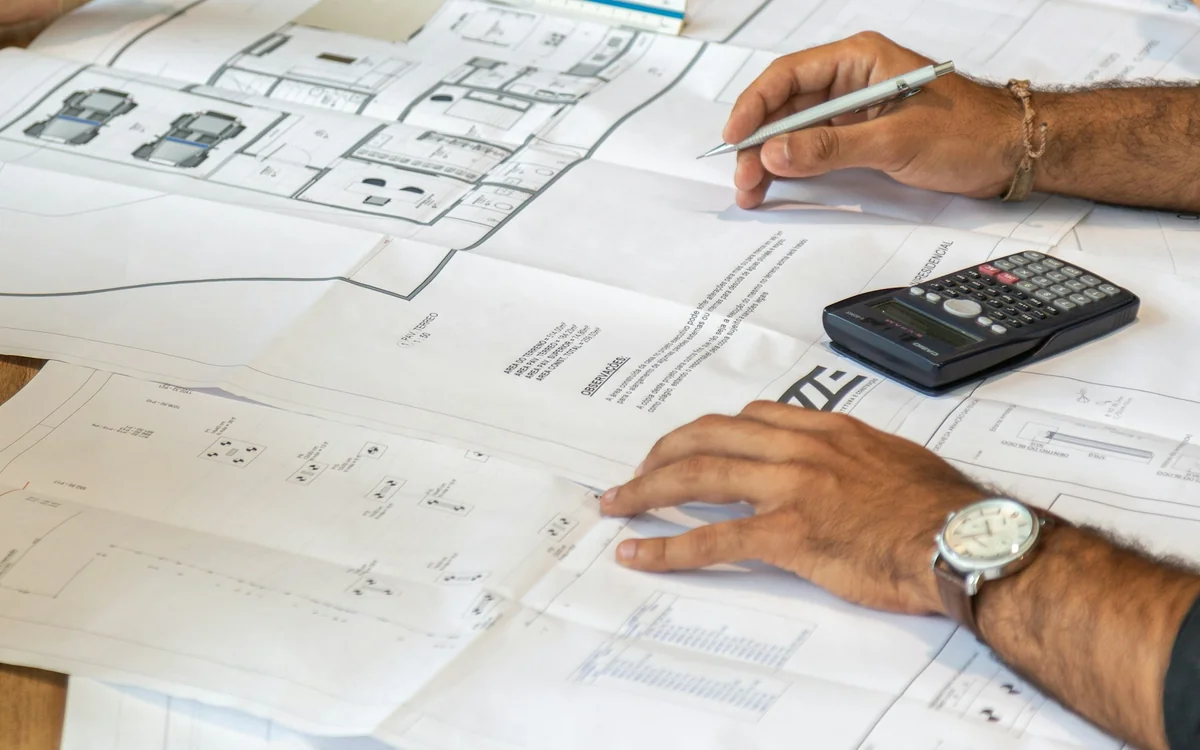
A general contractor coordinates the people, decisions, documents, inspections, and schedule that turn a renovation plan into finished work. The right fit is not simply the lowest number on a bid. Before hiring anyone for a project in Washington DC, Maryland, or Virginia, use these eight questions to compare the contractor's credentials, scope, communication, and project controls.
1. Can you document the license required for this project?
Licensing is jurisdiction- and scope-specific. For Maryland home-improvement work, verify the contractor through the Maryland Home Improvement Commission. For District projects, check the applicable contractor or home-improvement business license through DC's Department of Licensing and Consumer Protection. For Virginia projects, verify the business, license class, and specialty through the Virginia DPOR License Lookup. Also request current proof of liability insurance and any coverage required for the people performing the work. Donya LLC's verified Maryland credential is MHIC #159903; availability for any project is confirmed against the requirements that apply to its location and scope.
2. Can I see recent projects that are comparable to mine?
A beautiful photo does not prove experience with your type of project. Ask for work similar in size, structure, finish level, and complexity, then review the project portfolio and request references you may contact. A kitchen refresh, structural addition, occupied-home renovation, and insurance repair require different planning.
3. Who manages the project, trades, and daily communication?
Ask who will be your single point of contact, who will be on site, which trades are subcontracted, and how decisions are documented. A useful answer names the responsible person and explains how you will receive schedule updates, questions, photos, and change-order information.
4. Who handles design, permits, and inspections?
Clarify who prepares drawings, submits permit applications, schedules inspections, and responds when a reviewer or inspector requests a change. A general contracting team should explain where its responsibility begins and ends. If design and construction are separate, ask how the contractor will coordinate with the architect or engineer so the homeowner is not left managing gaps between them.
5. What exactly is included—and excluded—from the proposal?
A useful proposal identifies scope, materials or allowances, demolition, protection, disposal, permits, exclusions, payment milestones, and the assumptions behind the price. A vague one-line quote cannot be compared fairly with a detailed proposal. Use our contractor-proposal guide to compare bids line by line.
6. How are hidden conditions and change orders handled?
Renovations can uncover concealed damage, outdated wiring, framing conflicts, or other conditions that were not visible during estimating. Ask how the contractor documents the issue, prices the change, obtains written authorization, and updates the schedule before proceeding. The process should be clear before a surprise occurs.
7. What is the working schedule—and what can change it?
Ask for the expected phases, decision deadlines, long-lead items, inspection dependencies, and realistic ranges rather than a single optimistic completion date. Also ask how delays are communicated and whether the schedule distinguishes working days from calendar days.
8. What closeout and workmanship terms are written into the contract?
Confirm the punch-list process, final inspection, manuals and product information, lien-release documentation where applicable, and the written terms for correcting workmanship issues after completion. Do not rely on a verbal promise; ask for the applicable terms in the contract.
A professional contractor should welcome careful questions and answer them with documents, not pressure.
What a general contractor should coordinate
For a typical renovation, coordination may include site protection, sequencing trades, procurement, permit and inspection scheduling, progress documentation, change control, quality checks, and final closeout. The exact responsibility should appear in the written scope so every party knows who owns each decision.
Pay attention to communication before signing
The estimating phase is a preview of the working relationship. Notice whether the contractor listens, explains trade-offs, records decisions, and follows up when promised. Clear communication cannot eliminate every construction surprise, but it makes responsibilities and next steps easier to manage.
Donya LLC offers a free, no-pressure project consultation. We can review your goals, discuss the likely scope, and explain the next step before you decide whether to proceed. Request a consultation or learn more about our general contracting service.