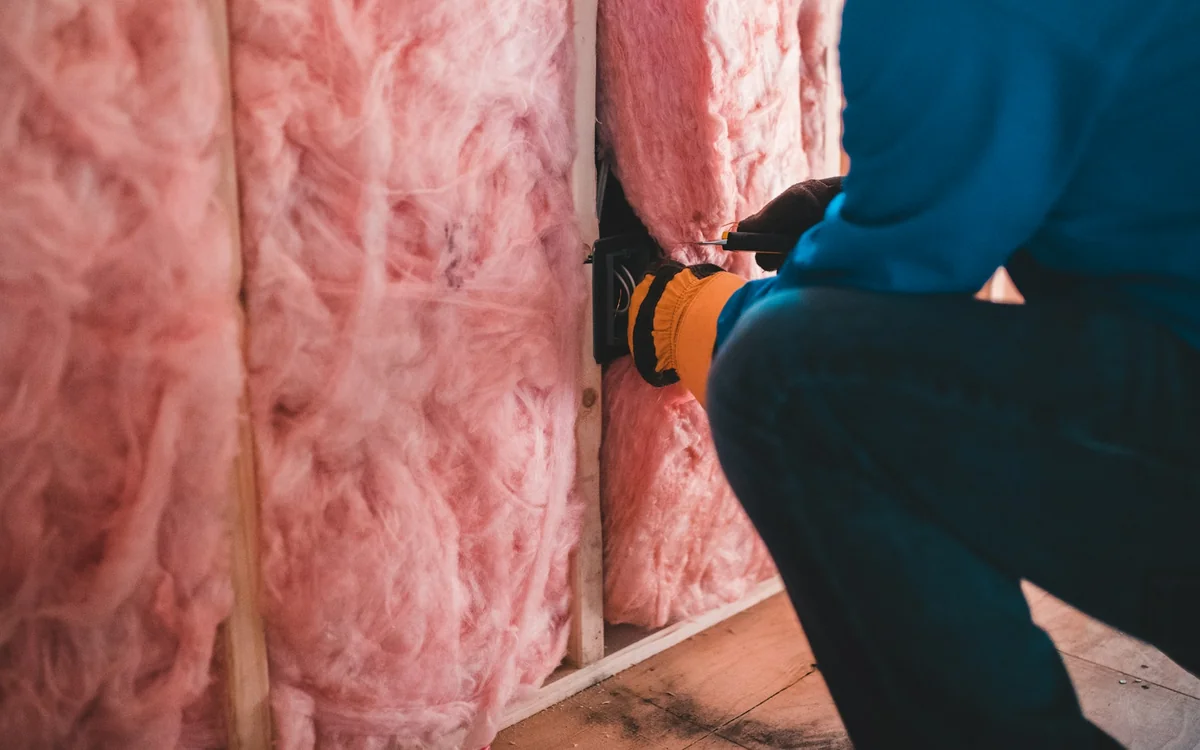
Energy efficiency improvement is one of the most marketed home improvement categories — and one of the least well understood. Homeowners are routinely sold window replacements and new HVAC systems as the path to lower energy bills, when in many cases the biggest gains come from a less glamorous intervention: sealing the air leaks and improving the insulation in the building envelope itself. In older DMV homes, which were built before modern energy codes and often have decades of accumulated air pathways through attic bypasses, basement rim joists, and wall penetrations, envelope improvement consistently delivers the best return on investment of any energy upgrade — and makes the HVAC system that follows more effective because it's conditioning less air that's escaping.
Air Sealing vs. Insulation: Two Different Problems
Air sealing and insulation are related but distinct interventions. Air sealing addresses the pathways through which conditioned air escapes and unconditioned air enters — gaps around recessed lights in the attic floor, penetrations where plumbing and wiring pass through the top plates, the rim joist at the foundation, and the many small openings that accumulate in a house over decades. Insulation addresses the rate at which heat flows through solid building materials — walls, attic floor, basement ceiling. In most existing homes, air leakage is a larger energy problem than insufficient insulation, because no amount of insulation stops air movement through a gap. The right sequence is always air sealing first, then insulation improvement on top of a sealed envelope.
Where Air Leaks Actually Are in DMV Homes
The most significant air leakage locations in a typical Maryland or Virginia home: the attic floor, where top plates, recessed lights, and attic hatch frames allow significant air exchange between the conditioned house and the unconditioned attic; the rim joist at the foundation level, where the floor system meets the foundation wall and gaps are common in older construction; electrical outlets and switch plates on exterior walls, which are frequently unsealed penetrations into the wall cavity; plumbing stack penetrations through floors and ceilings; and the basement or crawlspace interface with the conditioned house. A blower door test — which depressurizes the house and measures total air leakage — is the diagnostic tool that identifies the severity of the problem and is often included in a home energy audit. In Maryland and Virginia, utility-sponsored energy audits are often available at low or no cost; PEPCO, BGE, and Dominion Energy all have residential energy efficiency programs worth investigating before paying out of pocket for one.
Attic Insulation: The Highest-Impact Upgrade in Most DMV Homes
The attic is where most existing homes in the DMV have the largest insulation gap. Current energy code in Maryland and Virginia requires R-49 to R-60 in the attic (the Climate Zone 4 requirements); many homes built before 2000 have R-19 or less. Adding blown-in cellulose or fiberglass insulation in the attic to bring it to R-49 is one of the highest-return energy investments available, and it can often be done without disturbing finished spaces. The key requirement: air seal the attic floor before adding insulation. Covering existing air leaks with additional insulation does not seal them — air still moves through insulation; it just has to travel a bit further to do it. A contractor who proposes to blow in insulation without first air sealing is leaving significant performance on the table.
Rim Joist and Basement: Often Overlooked
The rim joist — the perimeter of the floor framing at the foundation level — is one of the most effective places to air seal and insulate in an existing home. In a finished basement project, this work happens naturally as part of the wall framing; in an unfinished basement, it can be done as a standalone project. Closed-cell spray foam is the right material for the rim joist: it simultaneously air seals and insulates, is moisture resistant (important at the foundation interface), and achieves R-7 per inch in a relatively tight space. A rim joist treatment for a typical DMV home runs $800–$2,000 depending on perimeter length and can be completed in a day without disrupting the rest of the house.
Federal and State Incentives: Worth Checking Before You Start
The Inflation Reduction Act extended and expanded federal tax credits for home energy improvements through 2032. Insulation and air sealing materials qualify for a 30% tax credit (up to $1,200 per year). Home energy audits qualify for a credit of up to $150. Maryland and Virginia both have additional state-level programs and utility rebates that can stack with the federal credit. The specific amounts and eligibility requirements change annually; verify current eligibility at the Energy Star website or with a participating contractor before beginning work, as the incentive landscape genuinely affects the cost-benefit calculation on these projects.
If you're thinking about improving your home's energy performance and want to know where to start for the best return, we're glad to help you think through the priorities. Reach out for a free, no-obligation consultation.