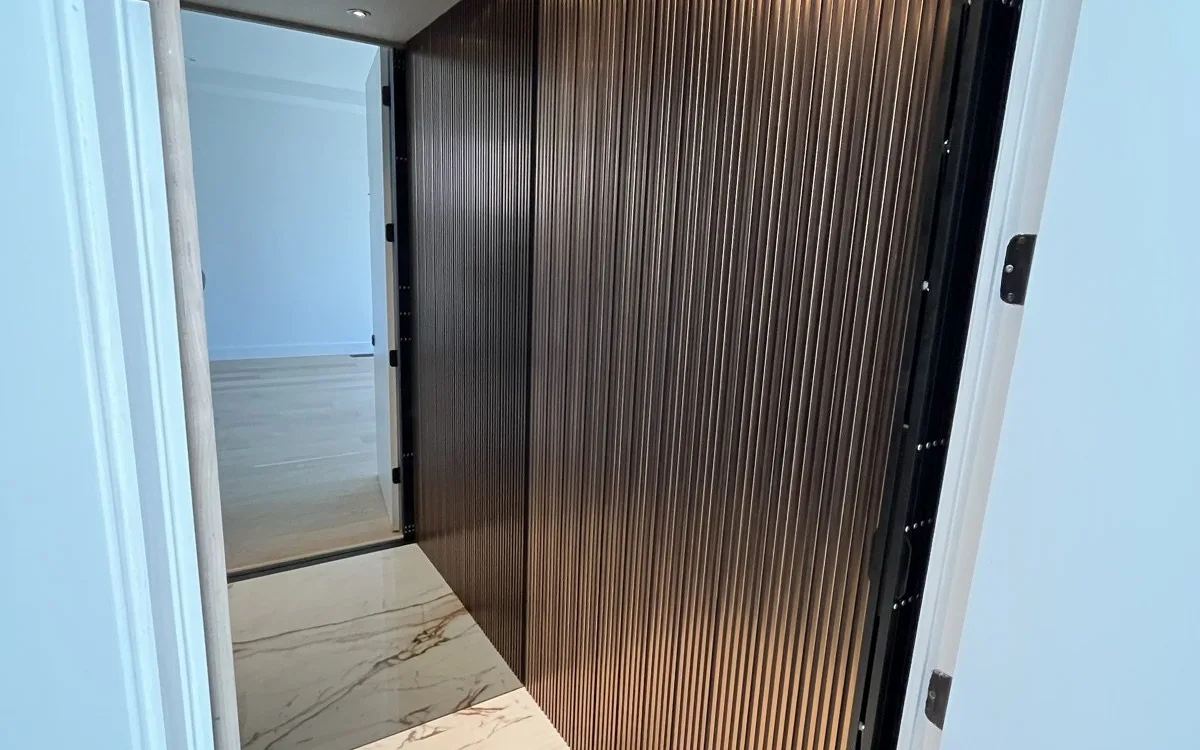
A home elevator — once associated almost exclusively with very large homes or commercial retrofits — has become a realistic consideration for a growing segment of DMV homeowners. The driver is partly demographic: as more residents choose to stay in their homes rather than downsize or move to single-story properties, a lift that eliminates daily stair climbing becomes a quality-of-life investment rather than a luxury. But the practical case for a residential elevator extends beyond aging-in-place scenarios. A three-story townhouse in DC's Capitol Hill neighborhood, a four-level colonial in Bethesda, or a split-foyer in Arlington all present daily stair burden that an elevator addresses regardless of the occupants' age.
Types of Residential Elevators
Four main system types cover the residential elevator market:
- Hydraulic elevators: A piston-and-cylinder mechanism drives the cab. Hydraulic systems are smooth, quiet, and reliable, and they don't require an overhead machine room — the hydraulic unit can be located in a utility closet adjacent to the shaft. They do require a pit at the bottom of the shaft (typically 6–8 inches) and a fluid reservoir for the hydraulic oil. Cost installed: $25,000–$45,000 for a two-stop system in an existing home.
- Cable-driven (traction) elevators: Steel cables and a counterweight system, driven by a motor — the traditional commercial elevator mechanism adapted to residential scale. Traction elevators are efficient and have a long service life. They require a dedicated machine room above or beside the shaft, which adds space requirements. Cost installed: $20,000–$40,000.
- Pneumatic (vacuum) elevators: A self-contained acrylic tube in which air pressure differentials move the cab up and down. The PVE (pneumatic vacuum elevator) requires no shaft construction — the tube is the structure — and no pit or machine room. Installation is relatively fast (2–5 days) compared to traditional shaft construction (6–12 weeks). The limitations are cab size (typically 28–37 inches in diameter, fitting one person or one person and a wheelchair) and aesthetics: the tubular acrylic form is visually distinctive and may not fit every home's style. Cost installed: $15,000–$30,000.
- Vertical platform lifts (VPL): Open platforms that travel vertically within a hoistway — essentially a residential version of a commercial accessibility lift. Not enclosed like a traditional elevator cab. VPLs are used where a full elevator is cost-prohibitive or physically impractical, and where ADA-compliant accessibility is the primary goal. Cost installed: $5,000–$15,000 for a two-stop lift.
Shaft Construction: The Biggest Variable in Cost
In new construction or major renovations, a shaft is designed into the framing plan from the start — the lowest-cost scenario. Retrofitting a shaft into an existing multi-story home is more complex and is the primary driver of cost variation in residential elevator installation:
- The shaft location must stack vertically through each floor, which means finding a path that doesn't cut through load-bearing walls, major mechanical runs, or valuable finished space on each level
- Shaft construction in an existing home typically requires opening wall and ceiling assemblies on each floor, building a new framed enclosure, and finishing the exterior to match surrounding surfaces
- In brick or masonry construction common in older DC and Bethesda homes, shaft penetrations through masonry require structural assessment and lintel installation
- A pneumatic tube elevator avoids most of this — the tube is installed through a hole in each floor, without full shaft framing — which explains its popularity in retrofit situations despite the cab size limitation
Permits and Code Requirements in the DMV
Residential elevators in Maryland, Virginia, and DC are regulated under ASME A17.1 (Safety Code for Elevators and Escalators) as adopted by local jurisdictions. Key requirements:
- A building permit is required in every DMV jurisdiction for elevator installation or modification
- Inspections are required at rough-in (before shaft is enclosed) and at final installation
- Maryland requires that residential elevators be inspected annually after installation, with a fee paid to the state elevator inspection program
- Fairfax County and Montgomery County both require elevator permits for new installation; permit timelines typically run 3–6 weeks for residential elevator scopes
- HOA review may be required if the elevator affects the home's exterior (a new shaft bump-out, or the acrylic tube of a pneumatic elevator visible from the street)
What a Residential Elevator Costs in the DMV
- Pneumatic vacuum elevator, 2-stop, retrofit: $18,000–$32,000 total installed
- Hydraulic elevator, 2-stop, new shaft construction in existing home: $35,000–$65,000
- Hydraulic elevator, 3-stop, new construction (shaft pre-planned): $28,000–$50,000
- Vertical platform lift, 2-stop: $7,000–$18,000
- Annual maintenance contract (any residential elevator type): $400–$800 per year
Home elevators typically increase resale value in the $10,000–$25,000 range in the DMV market, with the strongest return in homes marketed to buyers 55+ or buyers with mobility considerations. The value recovery varies with neighborhood and buyer pool.
Ready to Explore Adding a Home Elevator?
Donya LLC is a licensed and insured design-build contractor serving Washington DC, Maryland, and Northern Virginia (MHIC #159903). We coordinate residential elevator installation as part of larger renovation projects — managing shaft framing, finish integration, permits, and trade coordination. Call (301) 337-9445 or email Reza@donyallc.com to discuss what's feasible in your home.